
Editing Is a Different Personality
Drafting is instinct. Editing is restraint.
BY: THE MUSE LIBRARY
Images/Photos Sourced From: Pinterest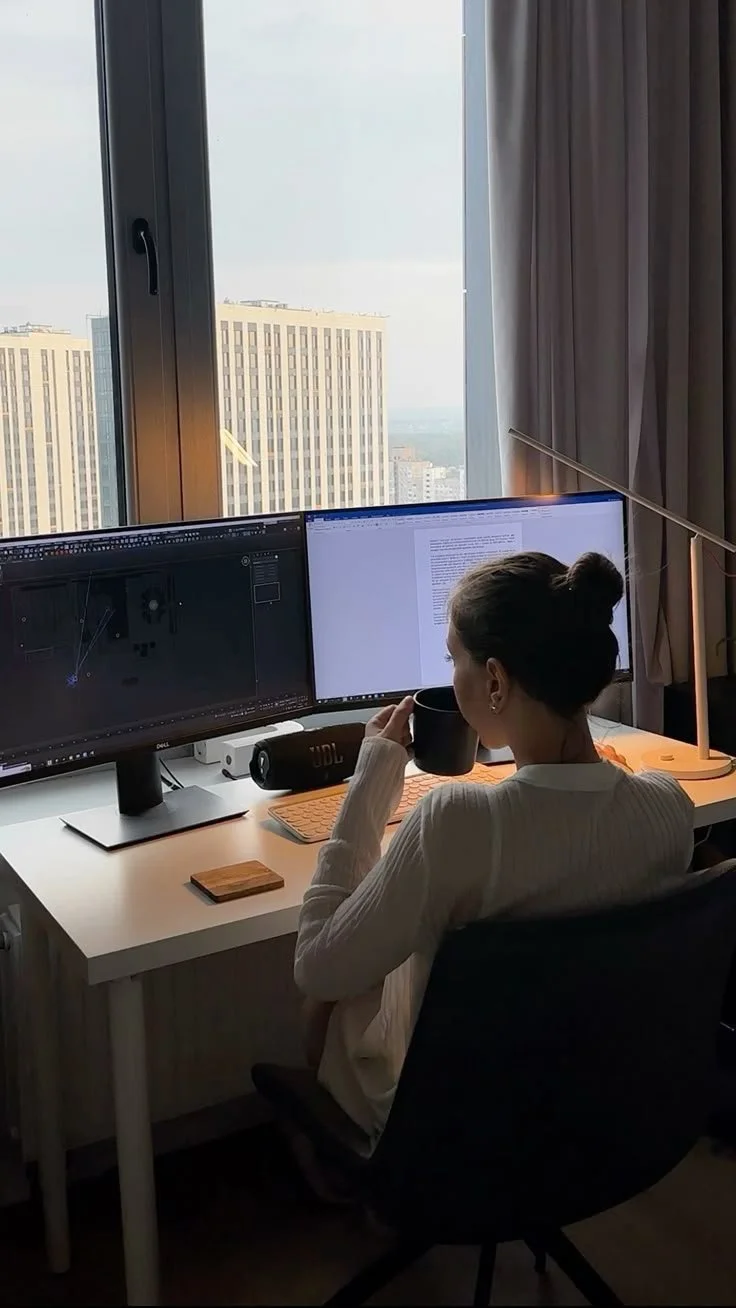
They look similar from the outside — both involve a cursor, both involve words — but they are not the same activity. Trying to edit in a drafting mood is like trying to tailor a jacket while you’re still sewing the fabric.
You don’t refine something while you’re still inventing it. Editing requires a colder temperament. Less romantic. More architectural. It’s not about whether the sentence is beautiful. It’s about whether it belongs.
SHIFT THE ROOM
Before you edit, change something physical. Different chair. Different lighting. Different time of day. Drafting thrives at night. Editing prefers morning. It likes clarity. It likes distance. It likes coffee that hasn’t gone cold yet.
You are not revisiting the draft as its author. You’re entering as its reader. And readers are selective.
PRINT IT OR CHANGE THE FONT
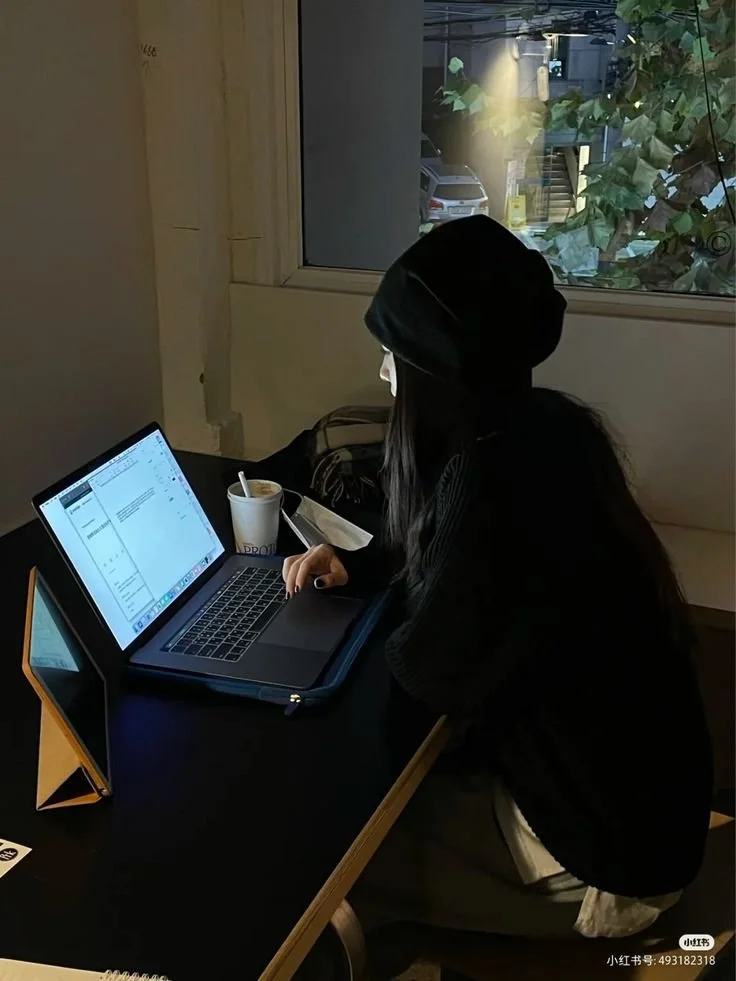
Your brain skims what it recognizes. Print the chapter. Or at least change the font and size. Trick your eyes into thinking it’s someone else’s work. Suddenly the repetition appears. The over-explaining. The paragraph that is trying too hard. Distance sharpens judgment.
CUT THE THROAT-CLEARING
Most drafts begin three paragraphs too early. Look at your first page and ask:
Where does the energy actually start?
Cut everything before that. Save it in another document if you need emotional security. But cut it.
Editing is subtraction more than addition.
READ IT OUT LOUD
Not dramatically. Just plainly. Awkward rhythm exposes itself immediately. Dialogue that looked clever on the screen often collapses under sound.
If you trip over it, your reader will too.
USE TOOLS — BUT DON’T OBEY THEM
Software is useful. Authority is not.
Two tools worth using:
Grammarly – catches mechanical errors and repetitive phrasing quickly.
Hemingway Editor – highlights overly complex sentences and readability issues. Free. Brutally honest.
They are assistants. Not editors.
If you accept every suggestion blindly, your voice will flatten into something polite and forgettable. Use them to surface friction. Then decide intentionally.
KNOW WHEN TO STOP
Perfection is usually fear in a nicer outfit. If you’re rearranging adjectives instead of strengthening scenes, you’re done. If the changes feel cosmetic, you’re done. If you’re editing because you’re afraid to release it, that’s not refinement. That’s avoidance.
FIRST CHAPTERS REQUIRE DIFFERENT STANDARDS
Readers decide quickly.
The first chapter carries more weight than the rest of the book combined. It establishes tone, trust, and momentum in under ten pages. If you’re unsure whether your opening holds, that’s not weakness. That’s awareness.
Sometimes distance isn’t enough. Sometimes you need a second set of eyes that isn’t emotionally attached to the draft. Let a friend read it. Let someone who isn’t inside your head tell you where they leaned in — and where they drifted. Notice what confuses them and what ignites.
Editing isn’t about making it “better.” It’s about making it intentional. Once it’s intentional, it’s ready.
-
The content provided on this website is for informational and educational purposes only and is not intended as a substitute for professional advice. This includes, but is not limited to, medical, legal, financial, tax, or other regulated professional advice. The Muse Library does not act as a publisher, literary agent, legal advisor, or financial advisor.
By using this website, you acknowledge and agree that The Muse Library shall not be held liable for any claim, loss, or damage arising from the use of, or reliance upon, any content presented here.
Certain images appearing on this site may be sourced from publicly available platforms for editorial and illustrative purposes only. All intellectual property rights remain with their respective owners. If you are a rights holder and wish to request attribution or removal, please contact us.