
Against The Wall
Don’t get blocked.
BY: THE MUSE LIBRARY
Images/Photos Sourced From: Pinterest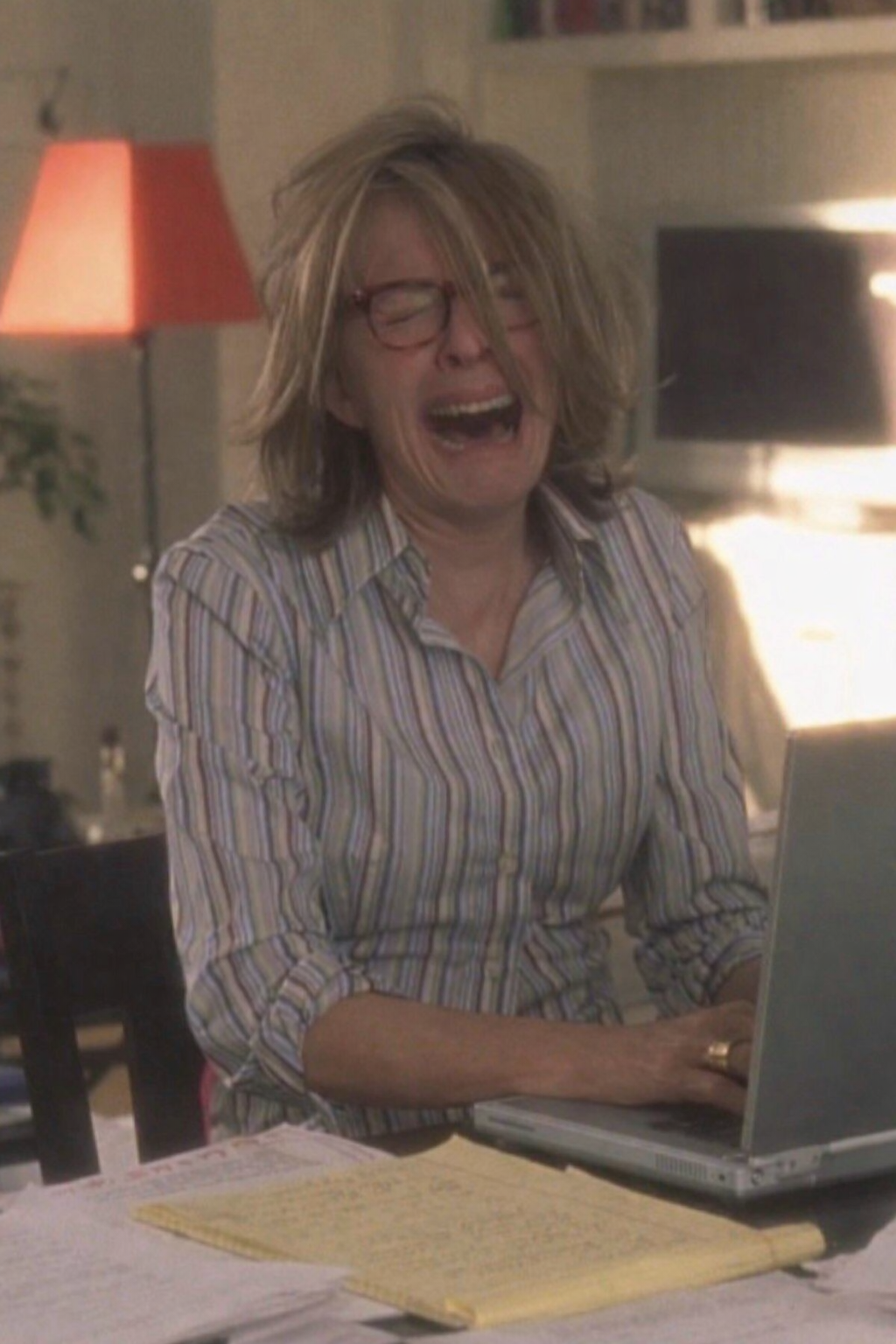
There’s a specific hour when your brain goes quiet in a way that feels personal. The cursor blinks like it’s judging you. Your hands hover over the keyboard as if inspiration might arrive via muscle memory.
It does not.
You’ve read three essays about creativity. You’ve reorganized your desktop. You’ve convinced yourself the problem is structural, spiritual, maybe astrological. But really, it’s just this: you’re trying too hard to sound like someone who already finished the thought.
Writer’s block isn’t a lack of ideas. It’s a traffic jam between instinct and expectation.
Here’s how to clear it—without romanticizing the struggle or waiting for a muse who’s clearly ghosting.
TIP 1: WRITE THE VERSION YOU’RE NOT SUPPOSED TO SHOW ANYONE
Open a document and title it something aggressively unserious. Promise yourself it’s disposable. Then write the thing the “real” piece is circling but avoiding—badly, casually, maybe a little embarrassing.
No framing. No thesis. No pretending this is going to be read aloud in a calm voice.
The goal isn’t quality; right now it’s motion. Once you’re moving, clarity tends to chase you like it was late to the meeting.

Tip 2: Change the Container, Not the Idea
If the words won’t come where you are, they might come somewhere else.
Different font. Different room. Different medium. Notes app instead of pages. Voice memo instead of typing. Handwritten lines that look like you were in a rush—because you were.
Ideas are weirdly loyal to environments. Sometimes they just want better lighting.
Tip 3: Stop Asking If It’s Good While It’s Still Alive
Nothing kills a sentence faster than evaluating it mid-breath.
Write first drafts like they’re insects—quick, jittery, not meant to be admired yet. Editing is a different mood, a different time of day, a different version of you entirely.
Finish the page before you decide how you feel about it. Confidence often arrives late, but it does arrive.
Writer’s block passes faster when you stop treating it like a personality flaw and start treating it like weather. Temporary. Slightly inconvenient. Not a referendum on your talent.
The words are still there. They’re just waiting for you to loosen your grip.
Hit save. Walk away. Come back a little less suspicious of yourself.
That’s usually enough.
-
The content provided on this website is for informational and educational purposes only and is not intended as a substitute for professional advice. This includes, but is not limited to, medical, legal, financial, tax, or other regulated professional advice. The Muse Library does not act as a publisher, literary agent, legal advisor, or financial advisor.
By using this website, you acknowledge and agree that The Muse Library shall not be held liable for any claim, loss, or damage arising from the use of, or reliance upon, any content presented here.
Certain images appearing on this site may be sourced from publicly available platforms for editorial and illustrative purposes only. All intellectual property rights remain with their respective owners. If you are a rights holder and wish to request attribution or removal, please contact us.