
The First Page Is a Contract
Manuscript pending.
BY: THE MUSE LIBRARY
Images/Photos Sourced From: Pinterest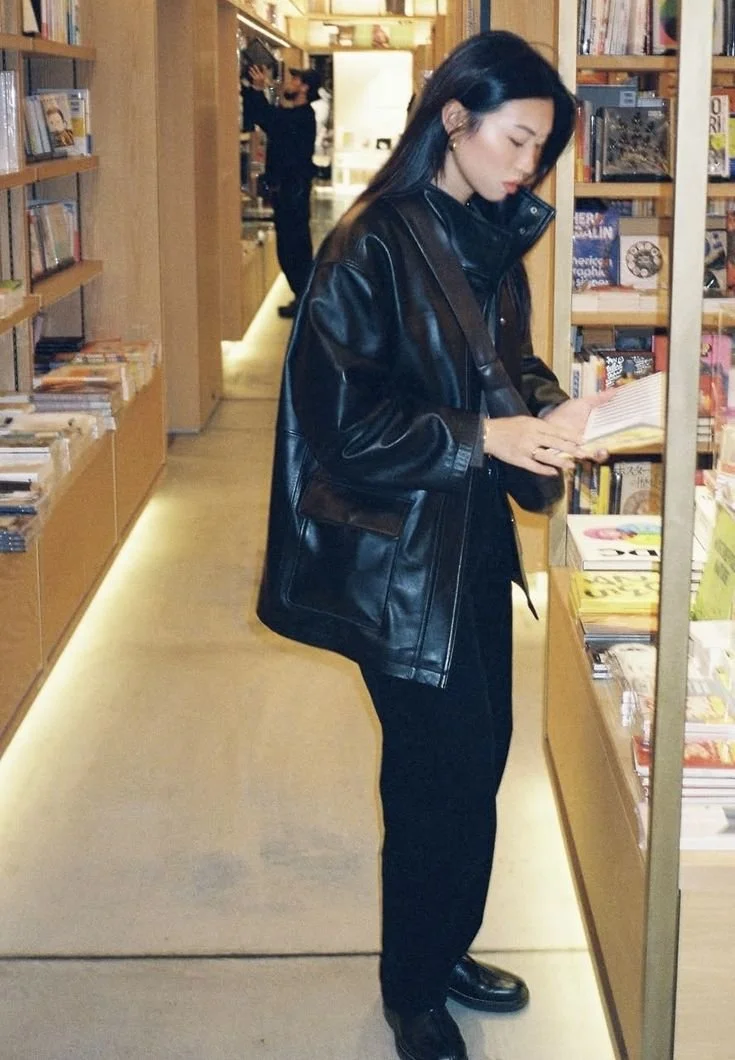
The first page is not about perfection; it’s about orientation. Before plot, before backstory, before anything impressive happens, the reader is deciding whether to trust you. Not consciously, not dramatically — just quietly. The first paragraph teaches them how to read the rest.
Most early drafts fail because they try to explain instead of position. A first page doesn’t need history; it needs temperature. Are we close to the character or watching from a distance? Is the language restrained or indulgent? The reader will adjust to almost anything if the tone is consistent from the start.
Beginnings feel impossible because they carry too much responsibility. They introduce voice, rhythm, stakes, and expectation all at once. That pressure makes writers overwrite, soften, or delay the real entry point. Often the correct first page is the one that begins slightly later than you’re comfortable with.
A strong opening does not answer questions; it creates the right ones. It signals control without showing off. When the first page holds its ground, the rest of the book has somewhere solid to stand.
IF YOU’RE STUCK..
Write past the beginning on purpose. Let yourself move two or three pages in without worrying about where the book officially starts. Once you have momentum, go back and read with distance, looking for the moment where the energy sharpens or the voice settles. Cut everything before that point and see how it feels; very often the real first page was hiding slightly deeper in the draft, waiting for you to catch up to it.
-
The content provided on this website is for informational and educational purposes only and is not intended as a substitute for professional advice. This includes, but is not limited to, medical, legal, financial, tax, or other regulated professional advice. The Muse Library does not act as a publisher, literary agent, legal advisor, or financial advisor.
By using this website, you acknowledge and agree that The Muse Library shall not be held liable for any claim, loss, or damage arising from the use of, or reliance upon, any content presented here.
Certain images appearing on this site may be sourced from publicly available platforms for editorial and illustrative purposes only. All intellectual property rights remain with their respective owners. If you are a rights holder and wish to request attribution or removal, please contact us.