
Writing Without Witnesses
Here’s..No one
BY: THE MUSE LIBRARY
Images/Photos Sourced From: The Shining + The Office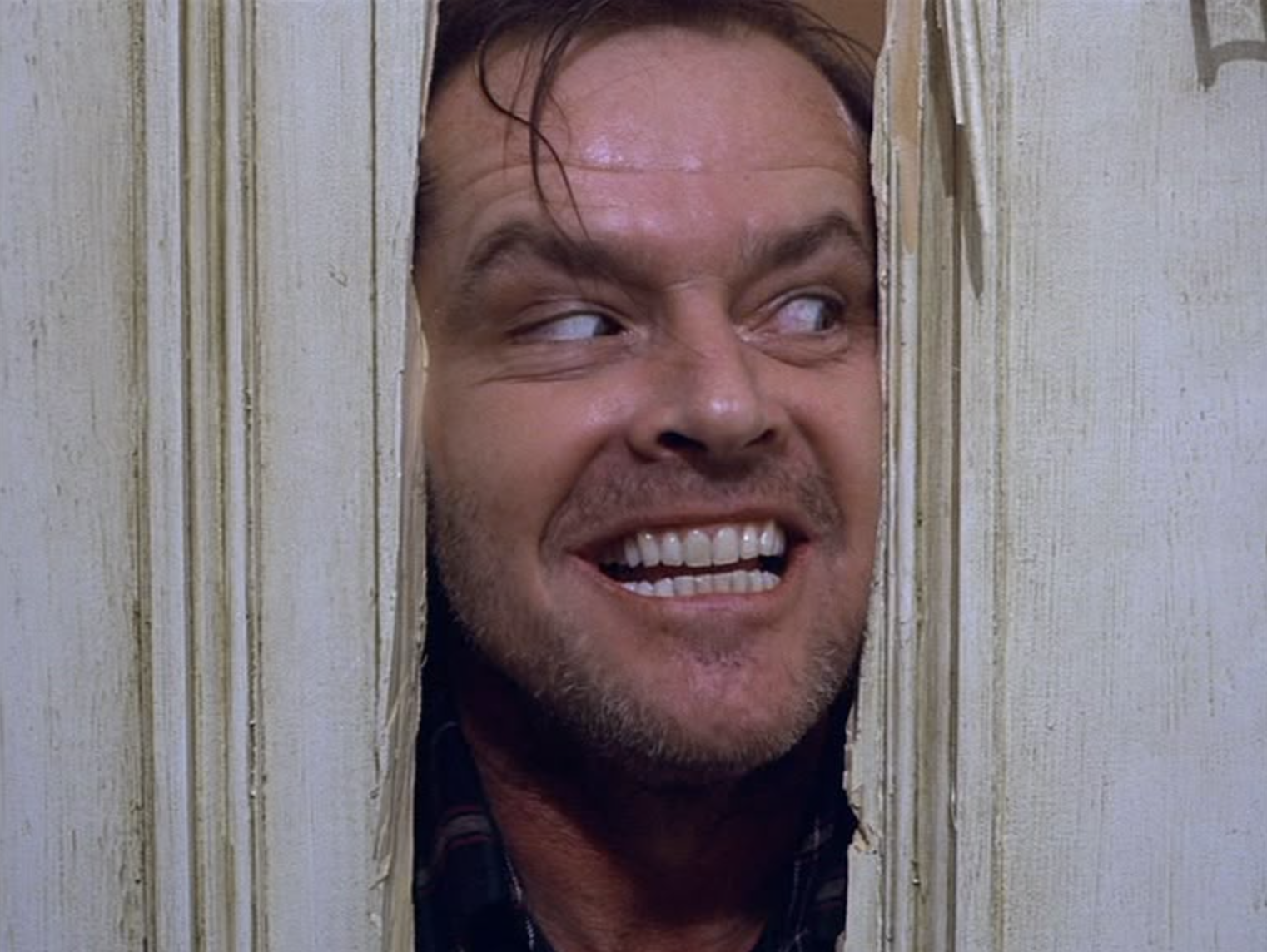
There’s a specific kind of quiet that shows up when nothing is expected of you.
No response time, no metrics, no one on the other side of the screen pretending to care. Just you and the work, suspended in that uncomfortable space where effort feels anonymous. The work survives in fragments here: a paragraph drafted in a notes app while the train jerks forward, a sentence written on the back of a receipt and forgotten in a coat pocket, a document saved three times under three names, each one quieter than the last. Days pass without evidence. No applause. No sign. The page keeps asking for the same thing: return.
Emily Dickinson wrote nearly all her poems without knowing she’d be read, stacking them in drawers while the world went on without noticing; Franz Kafka begged his friend to burn his work because he believed it had failed; Toni Morrison woke before dawn to write novels no one was waiting for yet, trusting the work more than the applause. None of them were responding to validation. They were responding to something smaller and harder to explain—the pull of the work itself, the refusal to abandon it just because no one was watching. The audience came later, after years of showing up to blank pages that offered nothing back.

📸:@TheOffice
THIS IS HOW THE VOICE FORMS
This is the real pressure test: staying without feedback, without reassurance, without any signal that the work is landing, when it feels like speaking into a room that refuses to echo.
Kahlil Gibran wrote about sparks dying in the “not-yet,” and that waiting is where most writers disappear—not because they lacked talent, but because the silence asked too much of them, because they require too much evidence too early. They want reassurance before the work has finished breathing.
Proof never arrives first. The work does. It shows up unfinished and slightly feral, demanding time, changing its mind mid-sentence, refusing to behave for an audience that isn’t there. Staying with it feels like a private vow, a hand on the door that stays.
There’s a danger in waiting for permission. It teaches the work to shrink. It teaches you to soften your voice before it’s had a chance to harden into something real.
Writing without witnesses keeps the edges intact. It lets the voice form before opinion can sand it down. It isn’t a sign you’re early or invisible—it’s a sign you’re exactly where every lasting writer once stood, choosing to keep going anyway.
-
The content provided on this website is for informational and educational purposes only and is not intended as a substitute for professional advice. This includes, but is not limited to, medical, legal, financial, tax, or other regulated professional advice. The Muse Library does not act as a publisher, literary agent, legal advisor, or financial advisor.
By using this website, you acknowledge and agree that The Muse Library shall not be held liable for any claim, loss, or damage arising from the use of, or reliance upon, any content presented here.
Certain images appearing on this site may be sourced from publicly available platforms for editorial and illustrative purposes only. All intellectual property rights remain with their respective owners. If you are a rights holder and wish to request attribution or removal, please contact us.